
Increased use of Qrop® KS increases yields and quality of Mexican bananas
Banana, Banana, Quality, Weight,
About 18,000 ha of bananas are grown in the Mexican Municipality of Tapachula (Latitude 15º North), in the region known as the "Soconusco Region", on the southern edge of the State of Chiapas. The bananas are sold in the local market or exported to the United States of America.
Most of the nutritional programs are carried out with granular fertilizers. Urea, DAP and KCl are the predominant sources of N, P and K. In our trials it was shown that increasing the amount of potassium to 750 kg of K 2O/ha/year, with 50% of K2Or applied as Qrop® KS (prilled potassium nitrate) results in both higher yields per ha (an increase of 39% over the control and 29% over the farmers' practice) and higher fruit quality after harvest (increased bunch to box conversion factor by 18% over the control and 15% over the farmers' practice).
There are two reasons for farmers to question their fertilizer programs using traditional nutrient sources. The first reason is climatic: In a 5-month period between November and March, the crop suffers from falling temperatures and low rainfall. Formulas that work well in summer do not drive the same response in winter. The second reason is export to the USA which is extremely demanding in terms of quality requirements and fruit conditions.
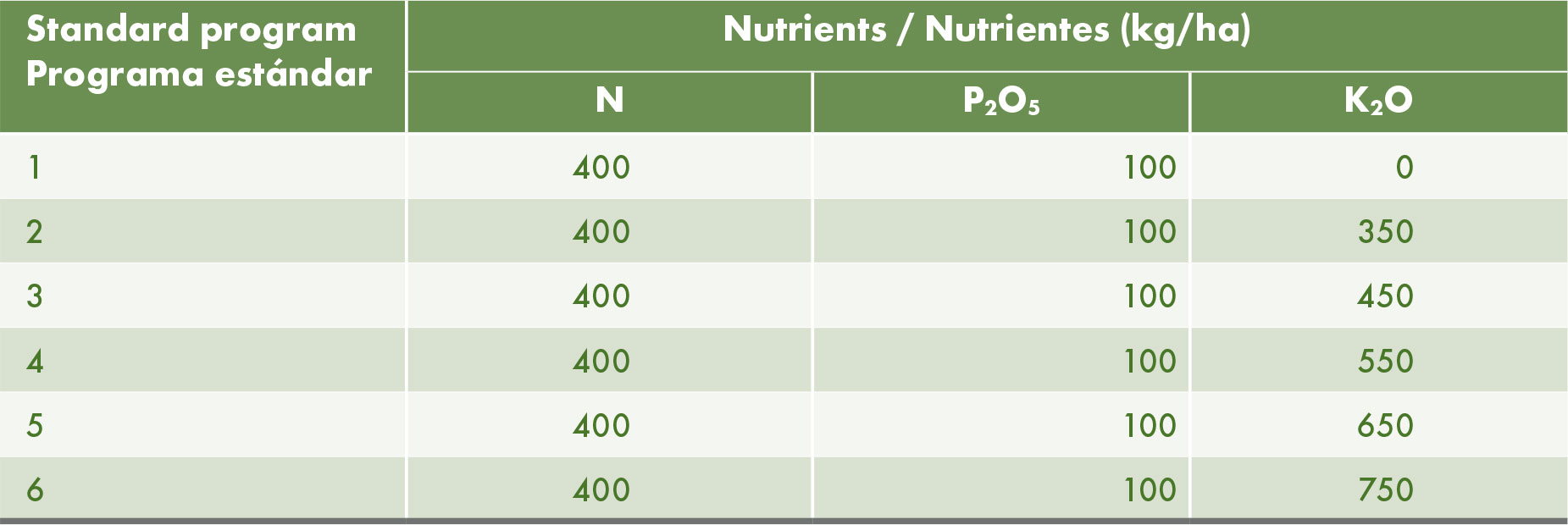
A trial was developed in Tapachula to establish Qrop® KS (prilled potassium nitrate) as a source of N and K in fertilizer mixtures. Five increasing doses of potassium were included in the trial (Table 1). At all doses, 50% of the total K2Owas provided as Qrop® KS (prilled potassium nitrate) and 50% as KCl. Potassium doses were compared to the control with no added potassium (Treatment 1), and to the farmer's current practice (Treatment 2).
Table 1. Nutrient application as granular fertilizer in 6 banana treatments in Mexico. A Completely Randomized Block design was used with 4 replications in plots of 10m2, 20 plants/plot.
Effect of high potassium doses on vegetative growth in 5 months.
High doses of potassium had a positive effect on plant height (Table 2). At 550 kg K2O/ha/yearthe plants were significantly taller than the control without potassium, reaching a height of 2.5 m. Increasing potassium to more than 350 kg K2O/ha/yrincreased pseudostem diameter, reaching the greatest thickness at the 650 and 750 kg K2O/ha/yrdoses. This is an expected result, since the pseudostem is the part where the plant accumulates minerals, particularly potassium. The number of leaves per plant did not differ between treatments. An average of 8.5 leaves/plant is expected for plants of that age.
Table 2. Plant height, pseudostem diameter and number of leaves on 7-month-old plants, 5 months after the beginning of the growing season. Means with lowercase letters are not significantly different (Duncan, 95%).
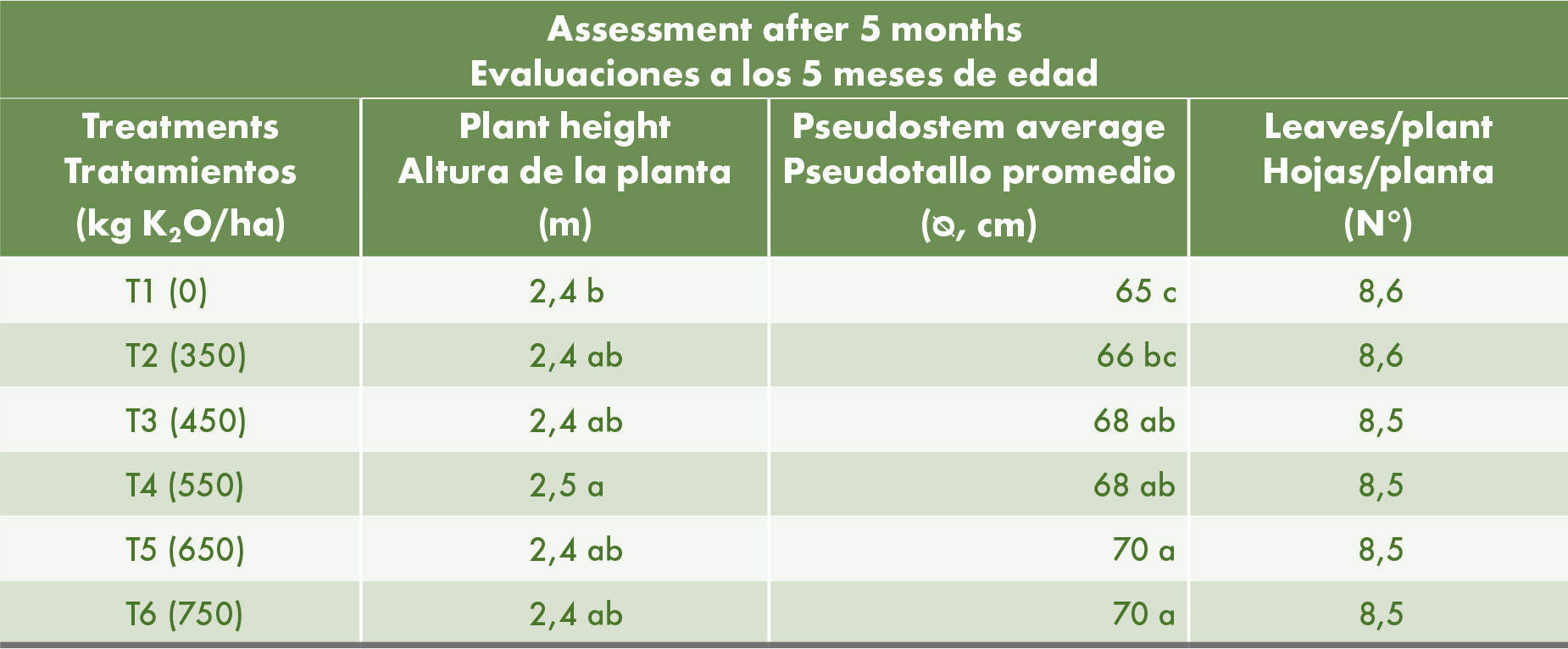
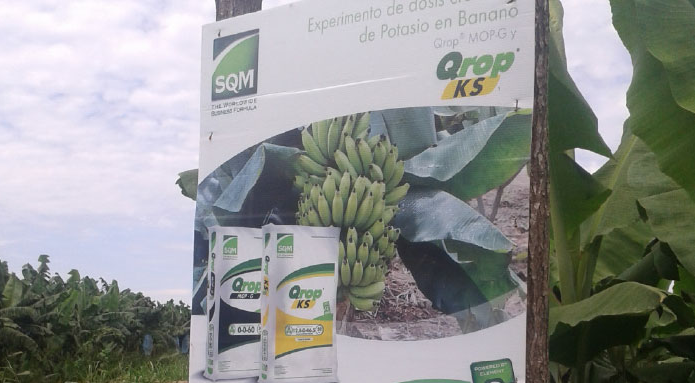
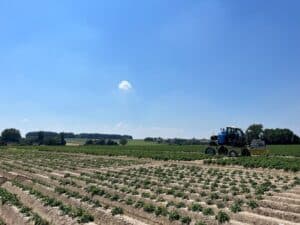
Figure 1. The trial location in Tapachula. Qrop® KS (prilled potassium nitrate) is used as a source of N and K in fertilizer mixtures.
Effect of higher potassium dosage on yield and fruit quality.
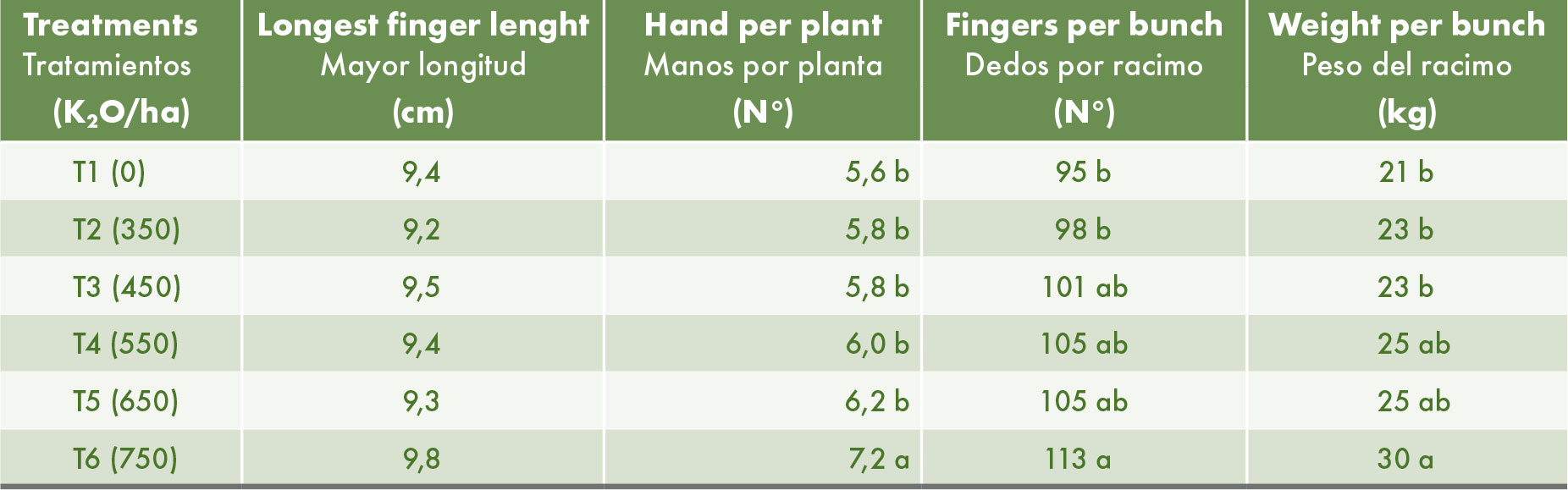
A number of parameters were measured in the fruit bunch (Table 3). Cluster size is determined by the number of hands, number of fingers (individual banana fruits) per hand and the length of each fruit. All treatments resulted in fingers of similar length, with a range of good fruit quality. The number of hands per bunch and the number of fruits per hand increased with high potassium doses, with a statistically significant higher yield in those plants receiving the highest potassium doses (750 kg K2O/ha/year). This increase is related to nutritional status (particularly potassium) at early stages of development. The average weight per bunch also increased with higher potassium doses and was significantly different from the control at these higher doses.
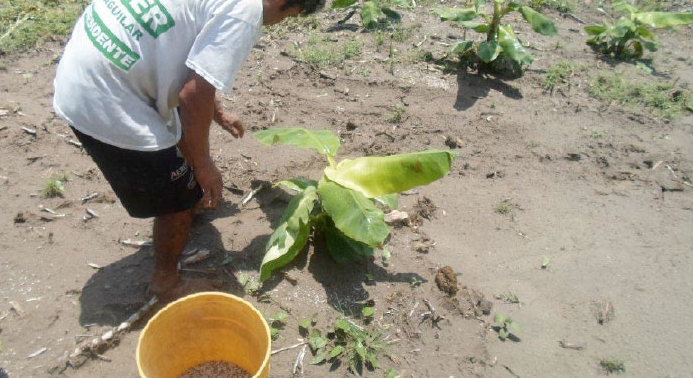
Nutrient application as granular fertilizer at the beginning of the trial.
Table 3. Mean finger length, number of hands and fingers per cluster. Averages with lowercase letters are not significantly different (Duncan, 95%). .
Yield in tons per hectare (Table 4), showed an increase of 10% - 39% compared to the control. This may not be the only attribute that increases with potassium, due to the substitution of 50% K2Owith Qrop® KS (prilled potassium nitrate). One of the advantages of potassium nitrate is that it consists of 100% macronutrients. The possible benefits of other components (NO3) should be considered. In the treatment with the best results (750 kg K2O/ha/year), the applied doses of KNO3 was 815 kg/ha/year, and KCl was 625 kg/ha/year.
The conversion factor of the number of bunches per box (Table 4) is also determined by the proper handling of the fruit during and after harvest (Arevalo, 2000). The application of 750 kg K2O/ha/yearincreased this conversion factor by 18% compared to the control and 15% compared to the farmer's practice (Treatment 2). This means that at high potassium doses, fruit quality increased and will result in a better presentation at the final market. In addition, fruit loss, caused by damage such as bruising, neck damage and scarring, was reduced.
Table 4. Yield per hectare and conversion rate to boxes. The percentage increase is calculated in relation to the control without potassium addition (T1).
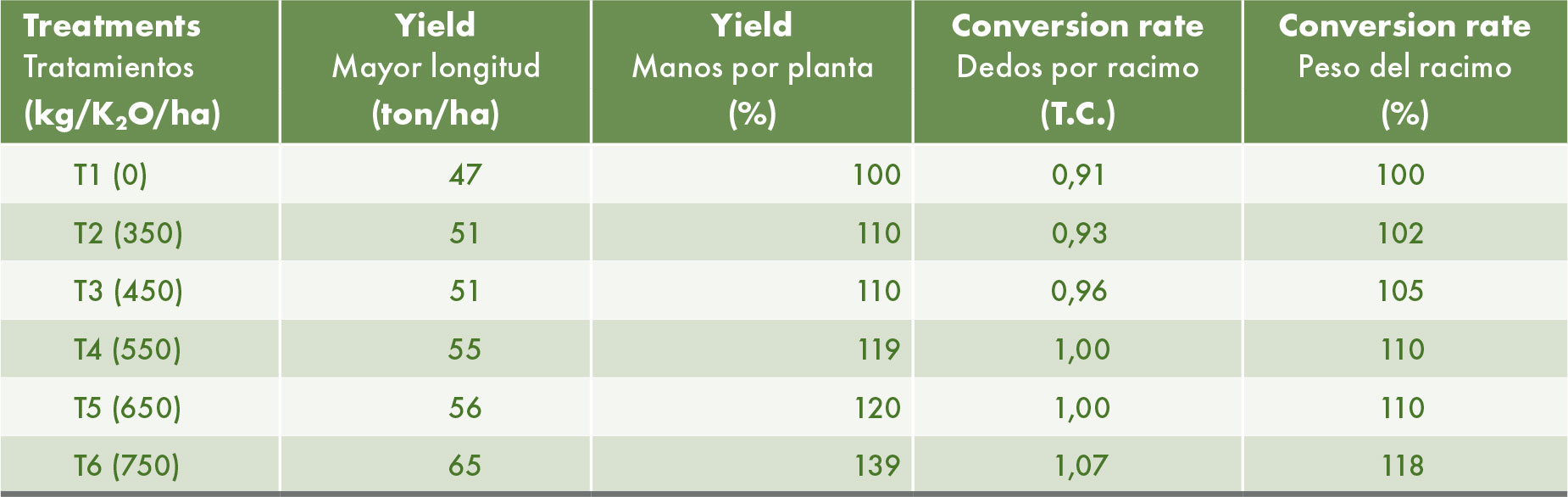
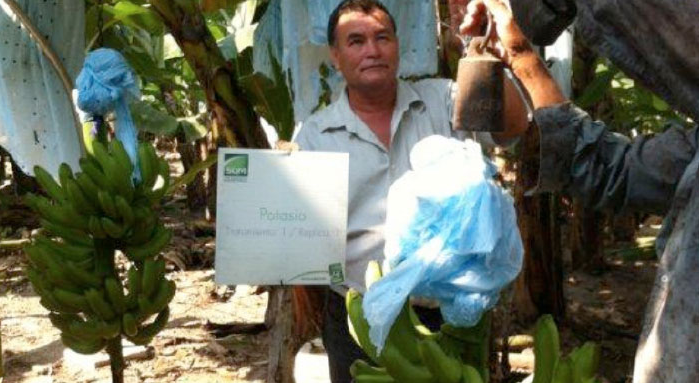
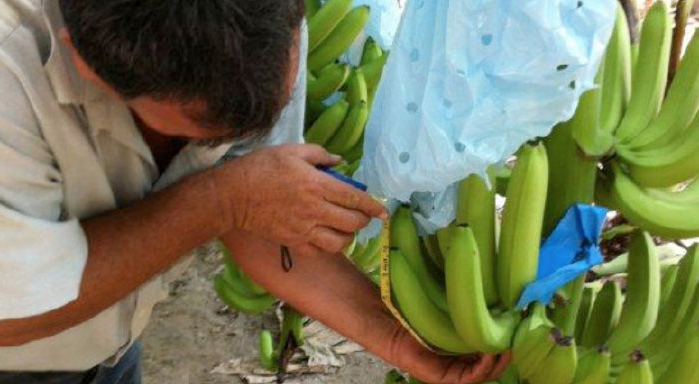
Figure 3 and 4. The harvest trial. The fruit bunches were weighed and measured under the supervision of Dr. Modesto Mojena.