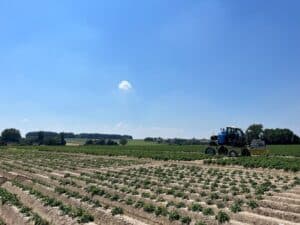

Potato yields increased by 14% in Saudi Arabia
KNO3, Papa, Potassium nitrate, Tuber growth, Tuber yield, Tuber yield, Urea Phosphate, Urea Phosphate,
Felipe Garziera (Market Development Manager, SQM International NV) recommended using a differentiated fertilization program based on Qrop® Complex Top K potassium nitrate (12-6-24 with S, Ca and Mg) and Ultrasol® K as a replacement for urea, potassium sulfate and a high P-NPK formula commonly used by local farmers. SQM's product line allows the application of potassium nitrate as prilled Qrop® and water-soluble Ultrasol®, designed to fit into a well-balanced fertilization program. This change improved both the total K supply provided to the crop and the N : K ratio, and increased the percentage of nitrate nitrogen in the total nitrogen applied. In a trial conducted by ASDCO in Saudi Arabia with pivot-irrigated potato, the optimized nutrition program resulted in 14% higher yield and revenue, more than offsetting the higher costs of the SQM program and satisfying the farmer with an additional net profit of USD 985/ha (Table 1).
Ultrasol® Magnum P44 was recommended as the main phosphorus source for this crop planted on highly alkaline soils to reduce the pH of the nutrient solution. Following SQM's recommendation, depending on crop need, the total phosphate application was reliably reduced to 197 kg P2O5/ha(from 275 kg P2O5/ha which is standard farmer practice).

Figure 1. Ibrahim Al-Salamah (producer's son), Levi Bin (Nouryon), Felipe Garziera (SQM), Majed Samawi (SQM), Ali Al-Salamah (producer), Mohammad Al-Kawamleh (ASDCO), Wassef T. Ali (ASDCO)
To design a customized nutrition program, a good understanding of crop requirements; fertilizer application and placement; local soil and climatic conditions; and farmers' usual fertilizer practice is essential. It is important to visit trial sites to get to know the farmer and local agronomists, and to understand local constraints to achieving maximum benefit from a crop. Close collaboration is key to the success of the trial, in this case coordinated with Majed Samawi (SQM sales manager for the Middle East) and conducted by agronomists from distributor ASDCO (Agro Supply & Development Company) - Eng. Mohammad AL-Kawamleh (technical manager), Eng. Wasssef Taha (Hail branch manager) and grower Mr. Ali Al-Salamah.
At the end of a visit to Saudi Arabia with Majed Samawi -to provide training on the benefits of potassium nitrate organized by ASDCO-, Felipe Garziera designed a nutritional program to improve the yield of potatoes grown under pivot irrigation in the northern region of Saudi Arabia (Hail) by grower Mr. Ali Al-Salamah.
The main challenges in this region are the alkalinity of the soil (pH 7.6) and the desert climate with extremely high temperatures and drought.
The sandy soil of the area is suitable for potato cultivation and sufficient irrigation water is available. The trial was conducted to confirm the theory highlighting the benefits of applying a balanced plant nutrition program based on KNO3 instead of SOP and urea.
Water-soluble fertilizers and fertilizers were applied directly to the soil in half-pivot fields of 11 ha. Two treatments were compared: the farmer's regular program and a program based on Qrop® Complex Top K, Ultrasol® K, UItrasol® Magnum P44 (Table 2). Granular fertilizers were applied to the soil, and water-soluble sources were applied with pivot irrigation. Tuber yield was evaluated considering the average yield of the 11 ha.
Table 1. Performance results and financial analysis of the benefit of the potassium nitrate-based SQM program over the farmer's usual practice (FP). The price of the product was 1000 SAR = 267 USD / MT, 3.75 SAR = 1 USD.
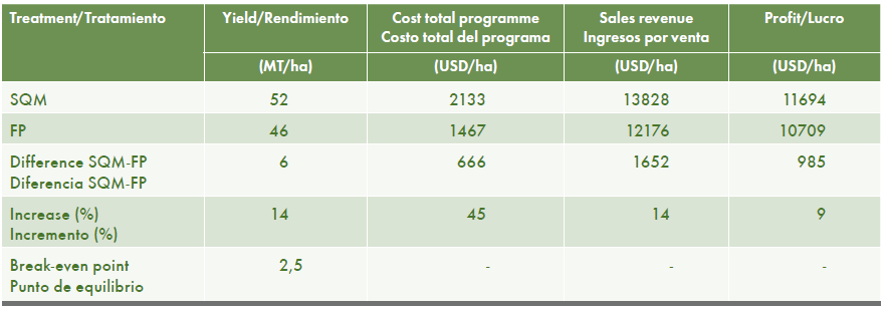
Table 2. Details of the fertilizer program according to SQM recommendations and according to the farmer's usual practice (FP). Total fertilizer was divided into amounts applied each week. Micronutrients, amino acids and humic acids were applied occasionally in coincidence in both programs.
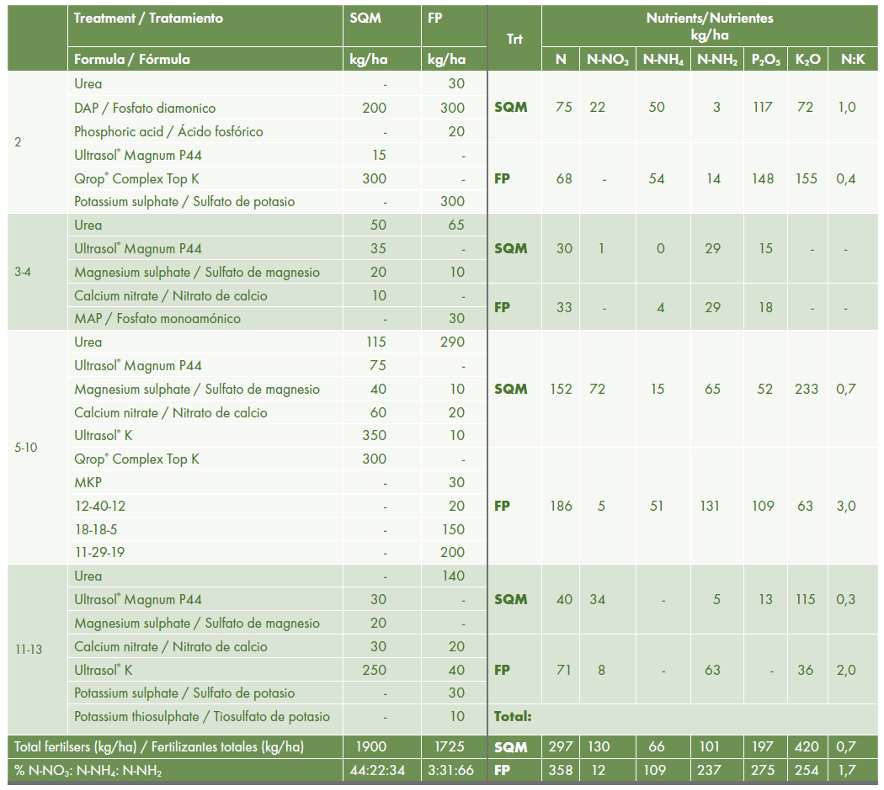
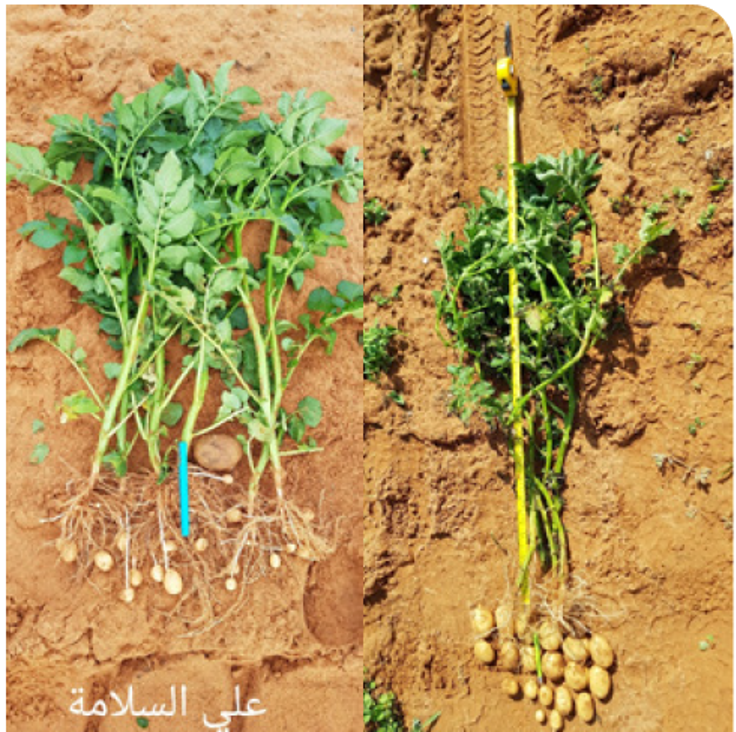 Figure 2A. According to the farmer's usual practice, 25 and 60 days after planting.
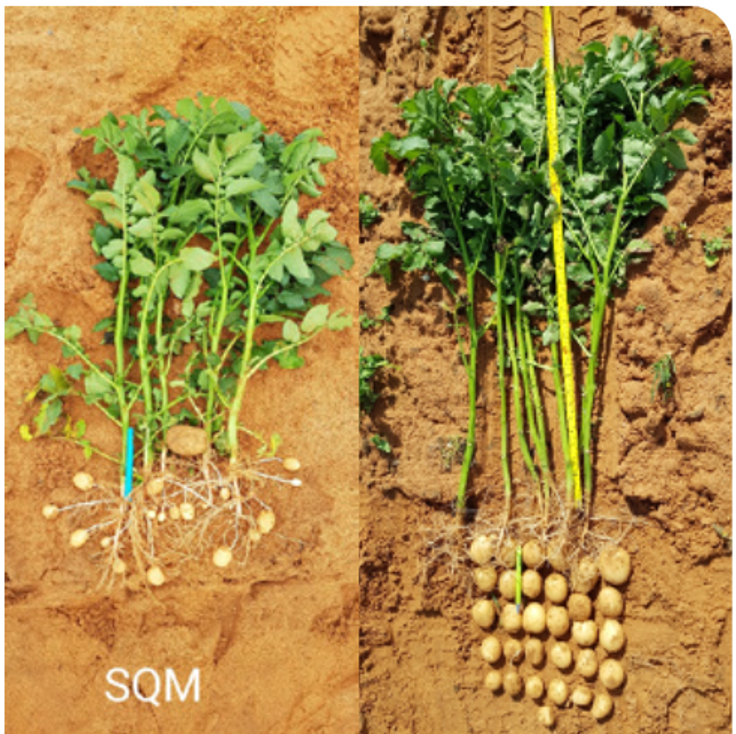
Figure 2B. SQM program, 25 and 60 days after planting.
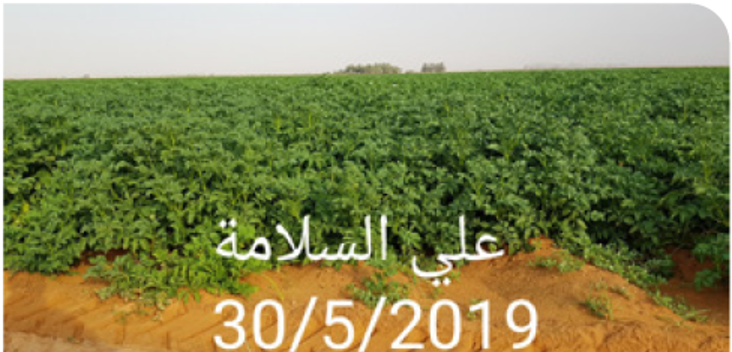
Figure 3A. According to the farmer's usual practice, 45 days after planting.
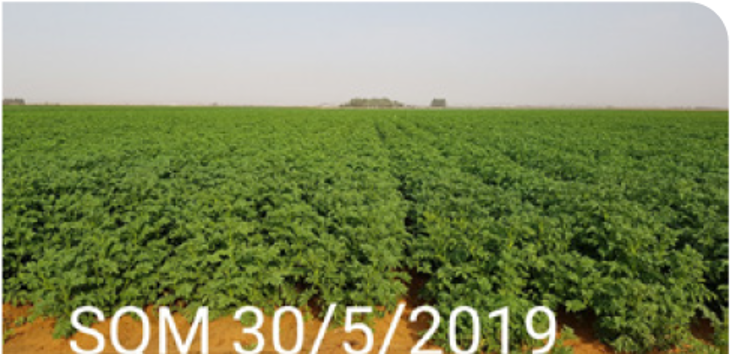
Figure 3B. SQM program, 45 days after planting.
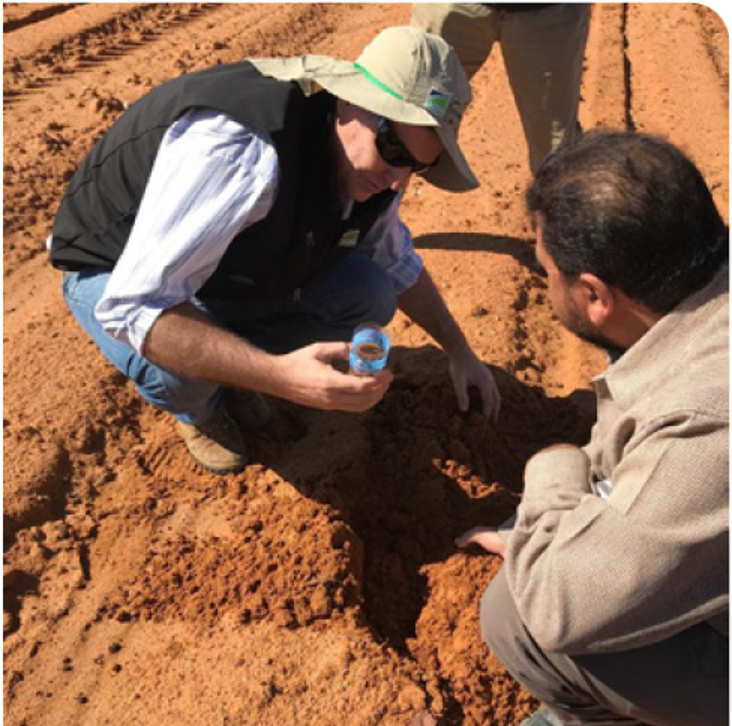
Figure 4. Collection of soil samples for analysis.
Optimal N : K ratio; increased total K; reduced total P and higher percentage of NO3 in the total N ratio, increased tuber yield by 6 MT/ha; 14% increase over the farmer's usual yield of 46 MT (Table 1).
Despite the higher costs of the SQM program, the yield increase was more than double the break-even point (additional tuber yield of 2.5 MT/ha), resulting in a substantial additional net gain of USD 985/ha.
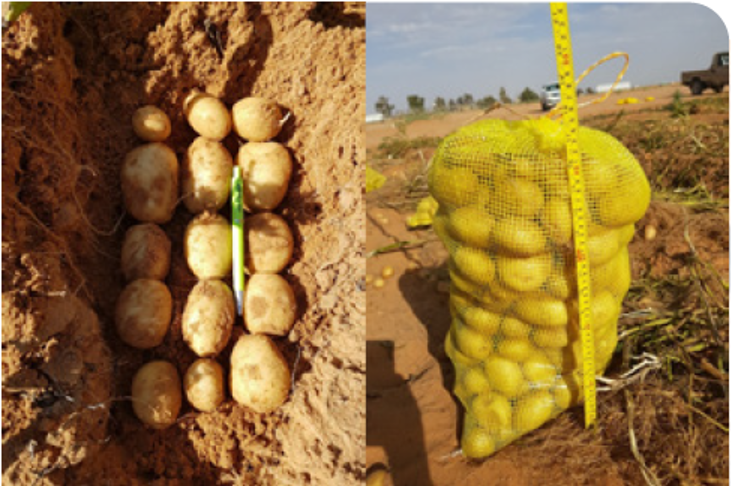
Figure 5A. According to the farmer's usual practice, pre-harvest evaluation at 80 days, and harvest at 100 days after planting.
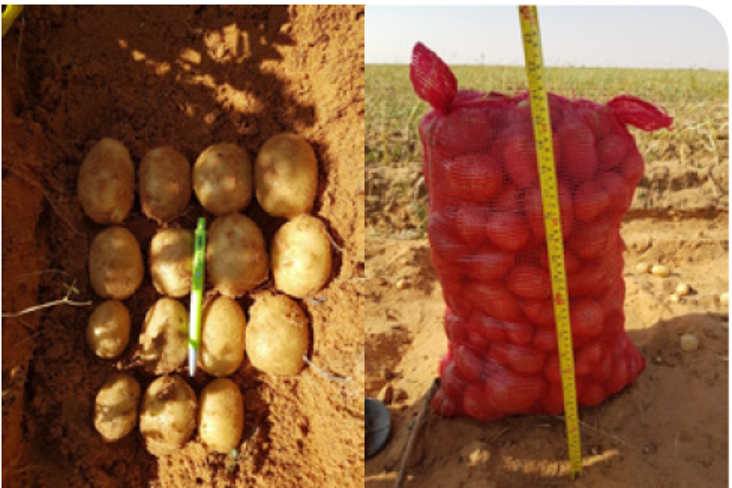
Figure 5B. SQM program, pre-harvest evaluation 80 days after planting, and harvest, 105 days after planting.
The producer was impressed by the results, and is already switching some of his SOP and urea use to Qrop® Complex Top K and Ultrasol® K, and will use them in his personal program for a second season evaluation, in addition to the use of Magnum® P44.
A poster of this work was prepared and presented at the Riyadh Agri exhibition in Saudi Arabia, and a brochure about the program was distributed to visitors to the exhibition.