
Larger and longer-lasting blueberries with Ultrasol® Magnum-based fertigation
Tags
Strategy to improve calcium absorption through more synergistic uptake and less fixation by excess of phosphates and sulphates via a better balanced Ultrasol® Magnum based fertigation program, resulted in bigger blueberries with longer shelf life, fit for export from Poland.
Koen D’Haeyer (agronomist SQM Europe) “It struck me to see that the farmer, together with many other blueberry growers in the area, followed the advise of a limited number of advisors and literature”. After a thorough evaluation of these advises, I noticed that the blueberry growers tended to stay away from nitrates, believing that these might not lead to what they believe is an optimum low pH to grow blueberries. It is true that the blueberry crop originating from North East USA shows optimal pH described in the nutrient solution of around 5.2. But when you try to strive for this pH using mainly ammonium as a nitrogen source, you miss the advantages from an optimal nitrate>ammonium balance, being basically that you have an easy and controlled nitrogen uptake, and especially a facilitated cation uptake, with improved K, Mg and Ca uptake essential for yield and quality.
Therefore, this demo trial is helping us to increase awareness to use also nitrate nitrogen sources in the program. Replacing SOP with KNO3 (based NPK’s) is often a very easy step in the right direction, with an immediate impact on better cation uptake resulting in bigger and more firm blueberries with better shelf life.
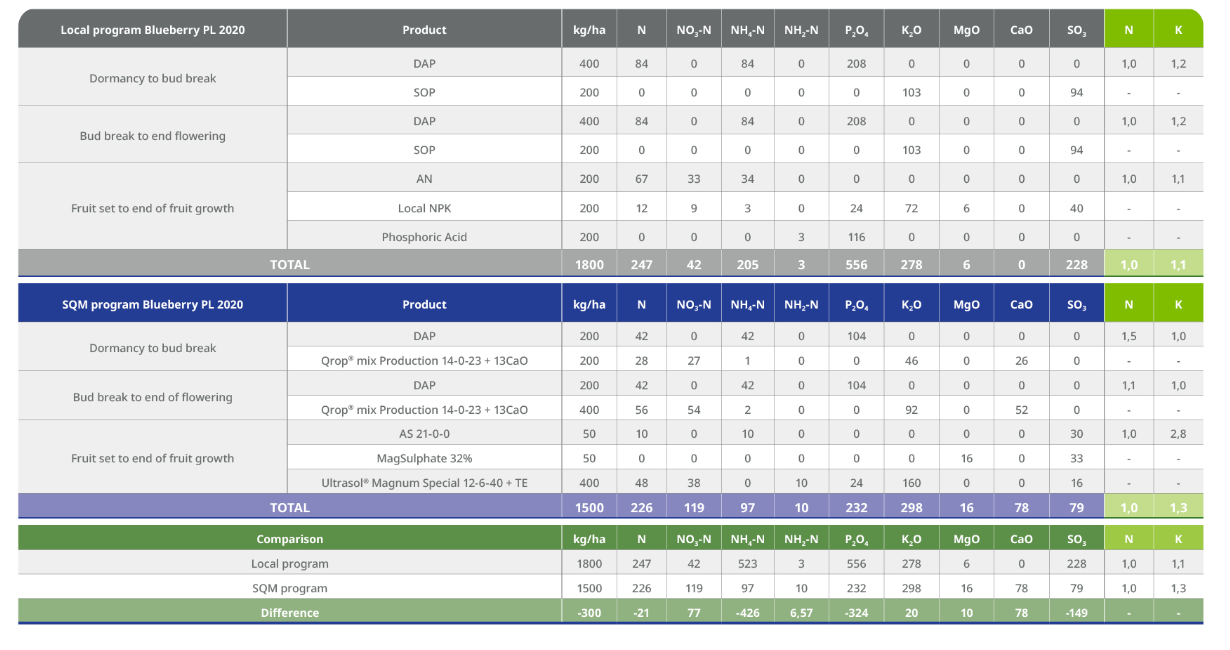

Table 1. Demo Setup Komorowski Blueberry cv Bluecorp 2020 Grojec, PL
The farmer asked for the advice of SQM specifically to increase the shelf life of his berries, while he intended to do more export business.
Agronomically this meant that we focused a lot on the calcium status. While the reserves of calcium were high in the soil. The grower believed that there was no need to apply easy absorbable calcium. Next to that, the use of DAP and phosphoric acid meant to acidify the soil created a clear excess of phosphates, increasing the risk of blocking Calcium. The excessive use of Ammonium also worked antagonistically on the uptake of calcium. And while use of nitrates was mistakenly prevented using ammonium sulphate and potassium sulphate another excess of sulphates was created which also makes the availability of calcium more difficult. All together the excesses also had a negative impact increasing unnecessary the salinity (E.C.) while the blueberry crop like other berry crops is very saline sensitive.
A comparison was done between a local program and the SQM program on a limited plot of around 2 rows (200 plants). Based on a representatively selected 100 fruit sample (see figure 1) we could clearly see a significant difference in fruit size (see figure 2) as a main factor of a total yield increase of 16% (see figure 3).
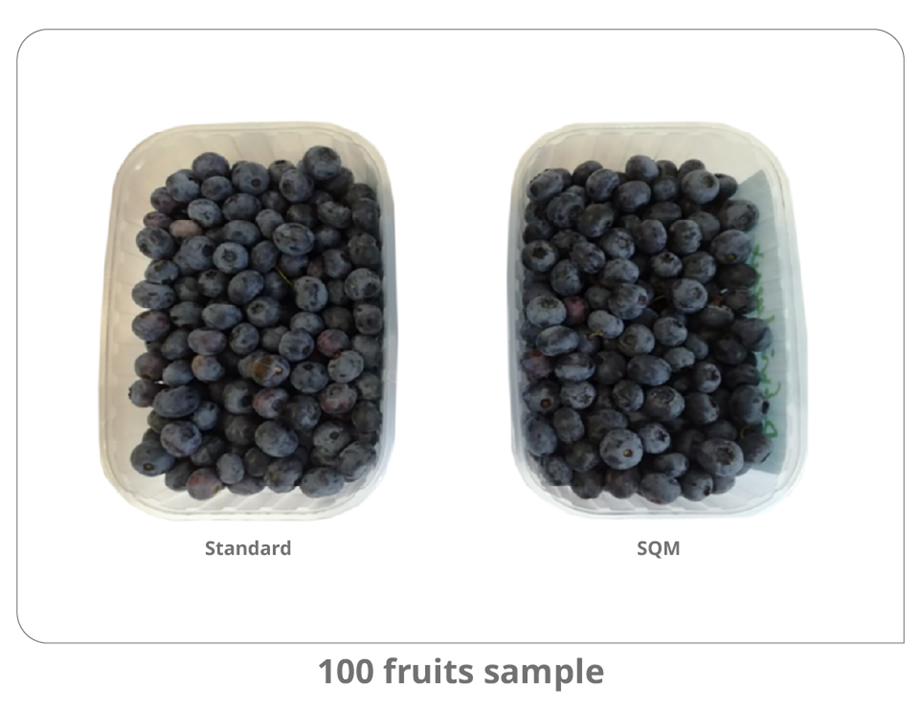
Figure 1. Representative 100 fruit sample of both treatments
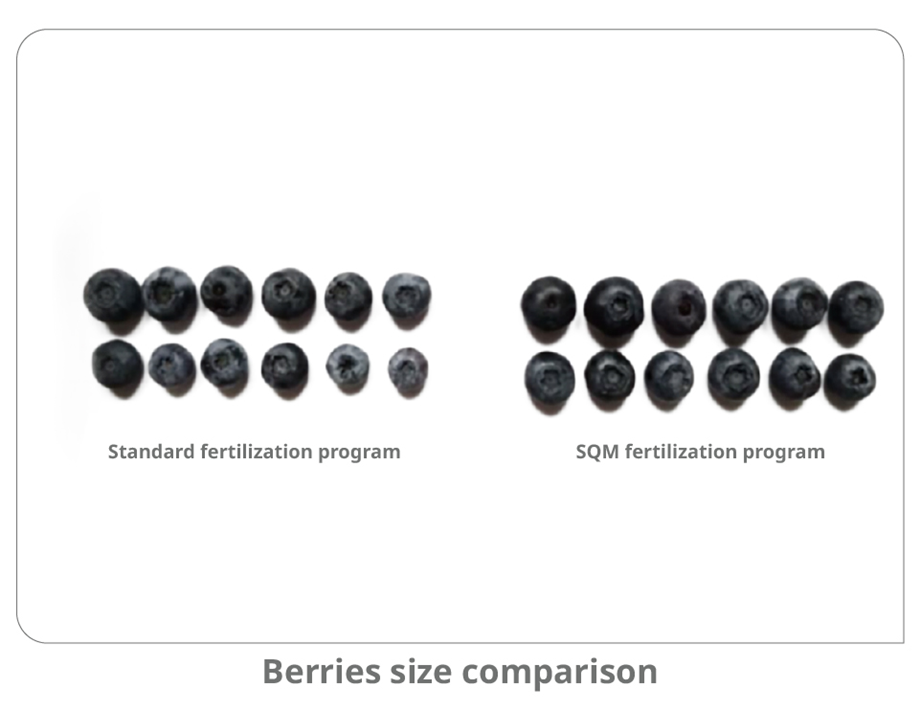
Figure 2. Visualization of the berry size and quality at harvest
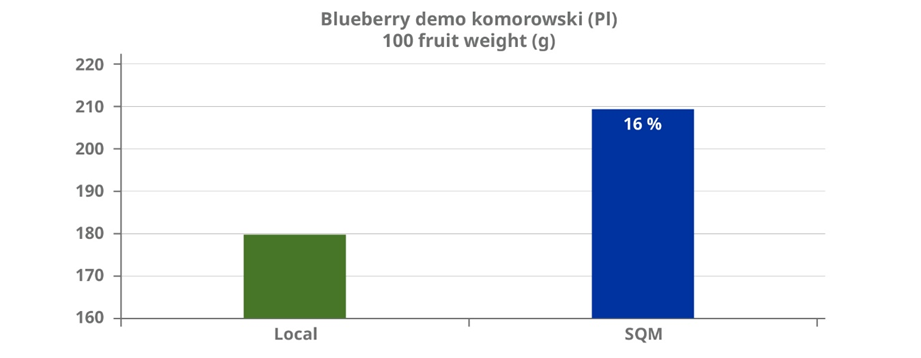
Figure 3. 100 Fruit weight evaluation
After storage in the fridge and an evaluation at 3, 8 and 12 days of storage, an impact of storability was visualized (see figure 4).
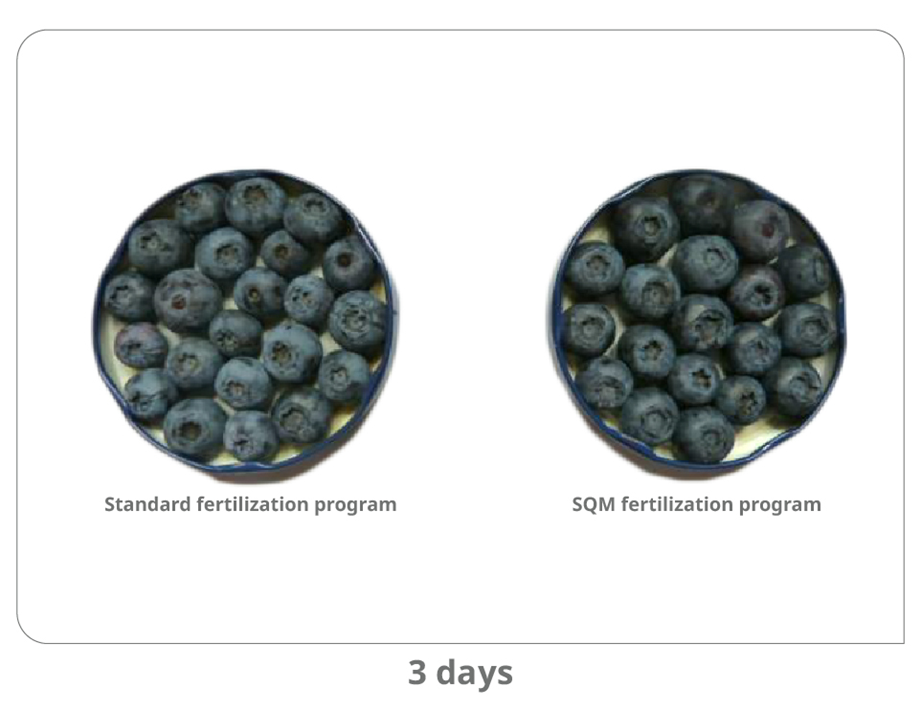
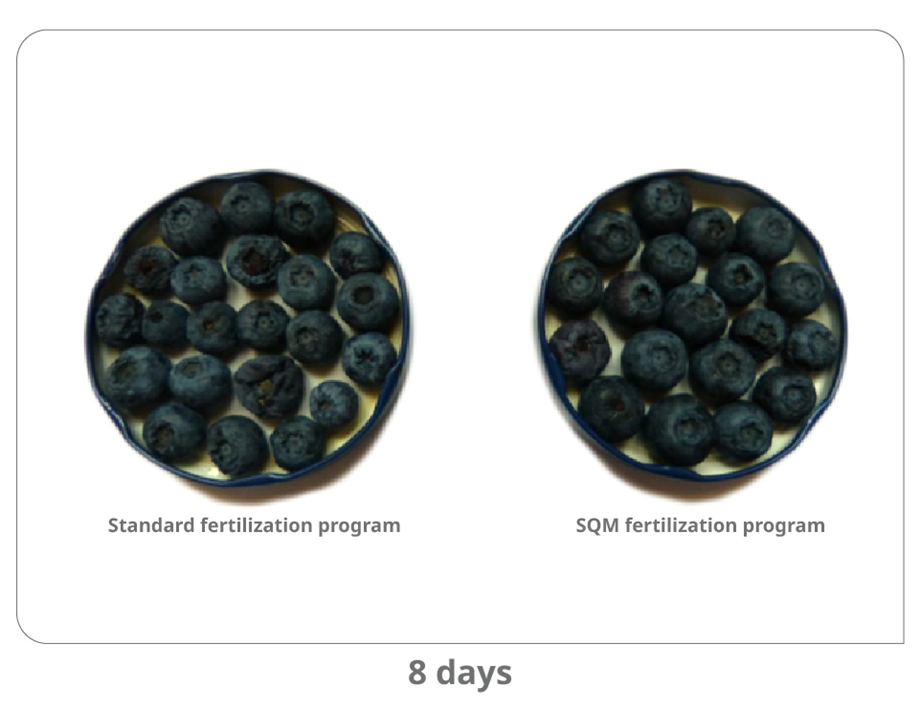
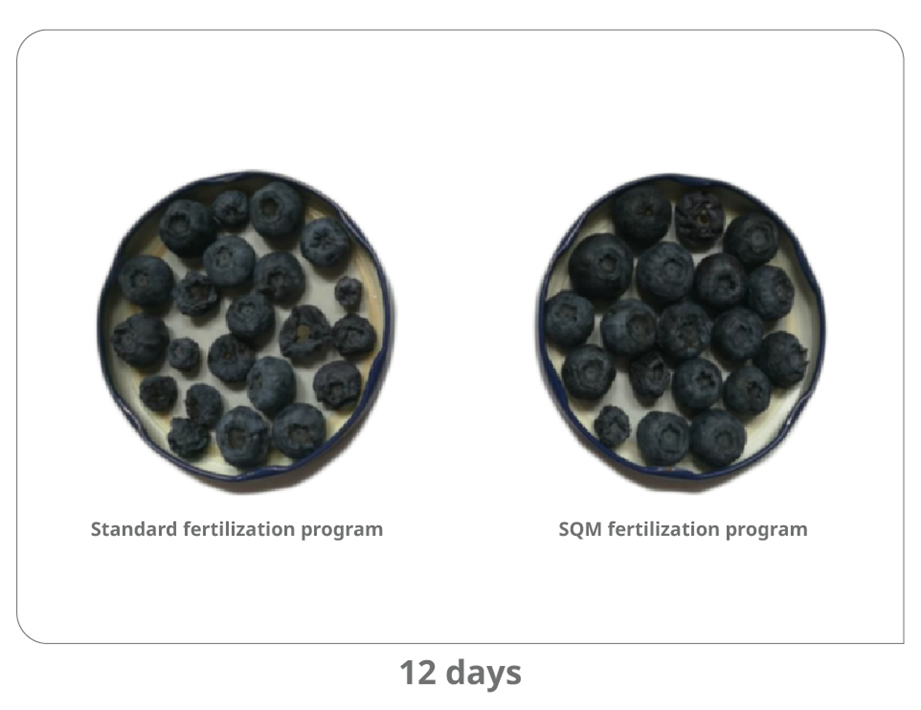
Figure 4. Visualization of storability after resp. 3, 8 and 12 days of storage in the fridge.
This proof of concept to improve yield and quality via an improved balance especially an improved nitrate:ammonium balance helps the increasing amount of blueberry growers in Poland and many other European countries to achieve better results. Based on this concept multiple leading growers started to apply this concept in as we speak.
Based on the results from 2020, the grower continued to follow our advises and implemented the locally available Ultrasol® Blueberry Soil formulations and reduced the use of granular base dressings to increase the application via fertigation. Since a more efficient application through fertigation, we advised to further reduce the levels of nutrients, especially nitrogen (N).
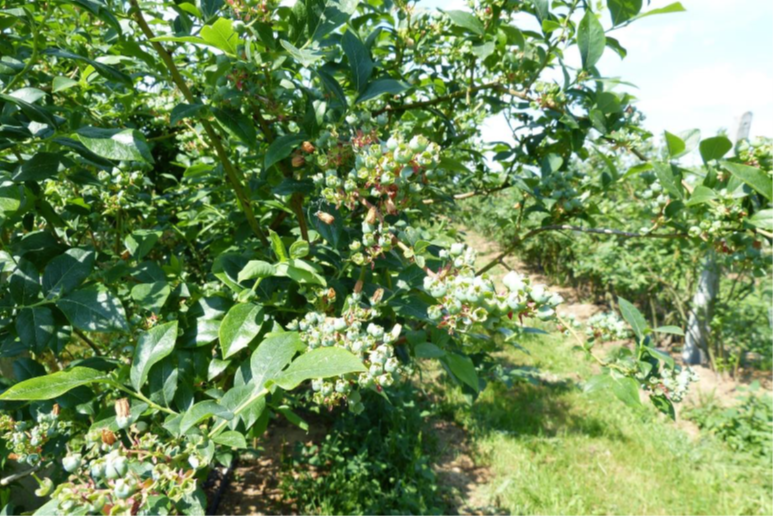
Figure 5: Outlook of a typical blueberry orchard in central Poland.